Doctor
Treatment Facilities
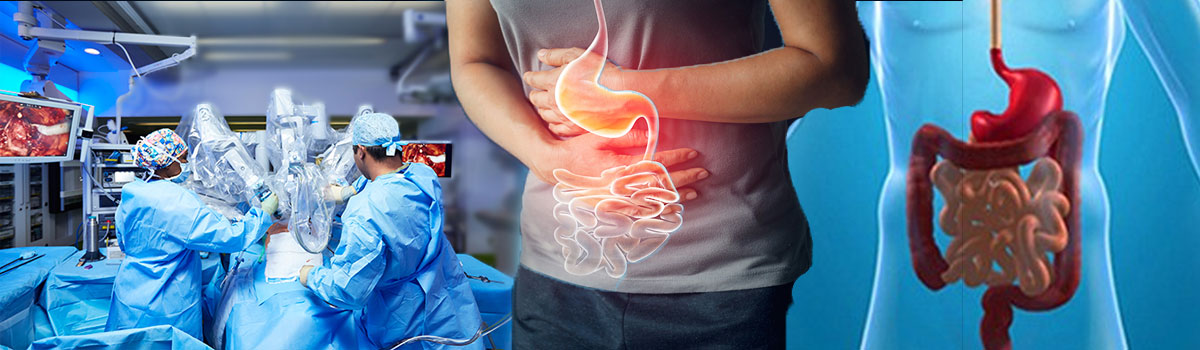
Hepato-pancreato-biliary (HPB) surgery consists of the general surgical treatment for benign and malignant diseases of the liver, pancreas, gallbladder, and bile ducts. These are among the most challenging and complex surgical procedures performed in General Surgery and require a high degree of expertise and skill.
It is a medical science that deals with the digestive system and its disorders. It includes ailments that affect the entire gastrointestinal tract: esophagus, stomach, small intestine, large intestine, liver, gallbladder, pancreas and rectum.
Laparoscopy is an operation performed in the abdomen or pelvis using small incisions with the aid of a camera. The laparoscope aids diagnosis or therapeutic interventions with a few small cuts in the abdomen.
An endoscopy is a test to look inside your body. A long, thin tube with a small camera inside, called an endoscope, is passed into your body through a natural opening such as your mouth. Your GP may refer you for an endoscopy if you're having certain symptoms. It will usually be done at an endoscopy unit in a hospital.
The Gastrointestinal Medical Oncology department is a team of highly specialized medical oncologists, scientists, physician assistants and research nurses who treat gastrointestinal malignancies, including cancers of the liver, bile duct, gallbladder, pancreas, large and small bowel, stomach, esophagus and rare tumors.
General surgery is a surgical specialty that focuses on alimentary canal and abdominal contents including the esophagus, stomach, small intestine, large intestine, liver, pancreas, gallbladder, appendix and bile ducts, and often the thyroid gland.
Children may require surgery for a wide array of digestive conditions, malformations, and disorders, — ranging from appendicitis to tumors and more complex problems of the esophagus, liver, pancreas, stomach, and intestines.
This shunt decompresses esophageal and gastric varices by connecting the splenic vein into the left renal vein. With portal azygous disconnection by ligation of the left and right gastric veins, and interruption of the gastroepiploic arcade, portal hypertension is preserved.